Reflecting on ERSAC 2025: an important milestone for AgroServ and European agroecology
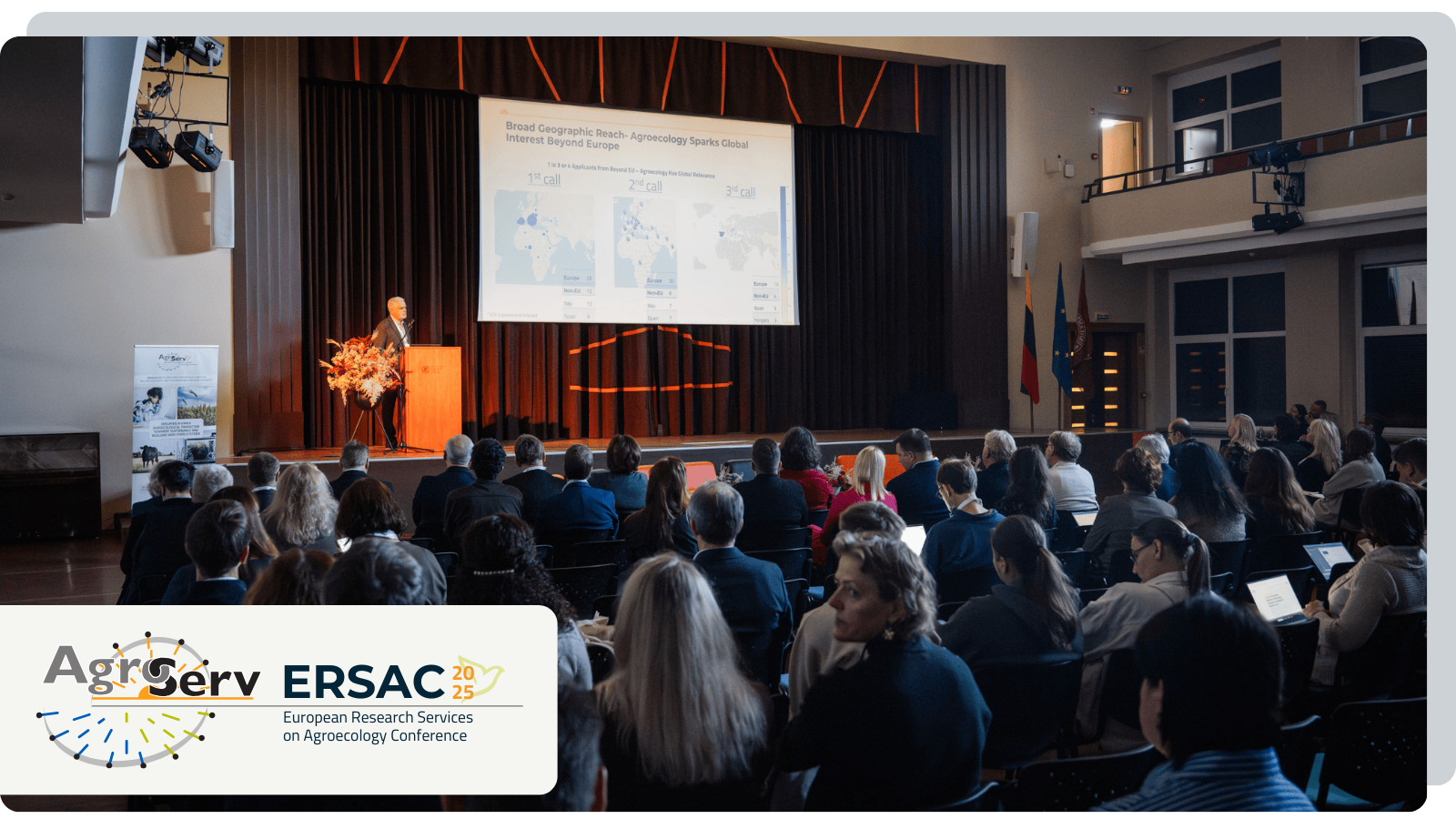
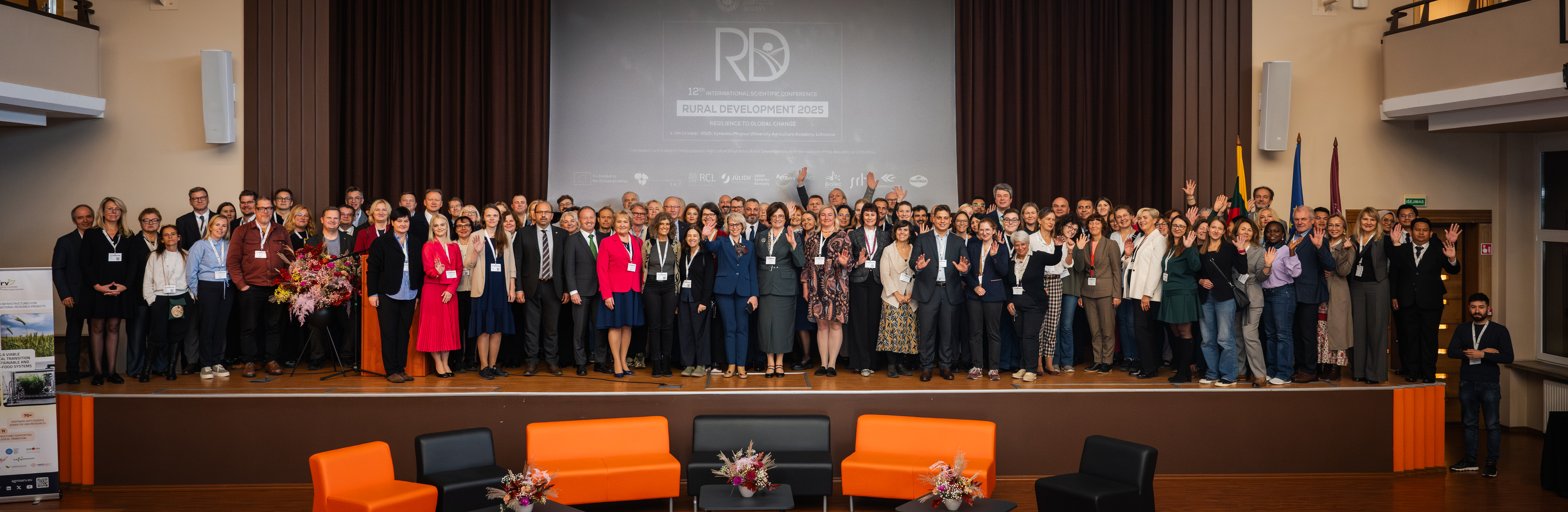
Kaunas, Lithuania – Earlier this autumn, the agroecology research community gathered in Kaunas for the 2nd European Research Services on Agroecology Conference (ERSAC). Held on October 1–2, 2025, at Vytautas Magnus University (VMU), the event marked a pivotal moment for the AgroServ project, bringing together researchers, stakeholders, and consortium partners to discuss the future of sustainable agriculture.
Co-organized with the 12th Rural Development International Scientific Conference, ERSAC 2025 provided a unique platform to bridge the gap between high-level Research Infrastructures and practical rural needs.
Key highlights: resilience and innovation
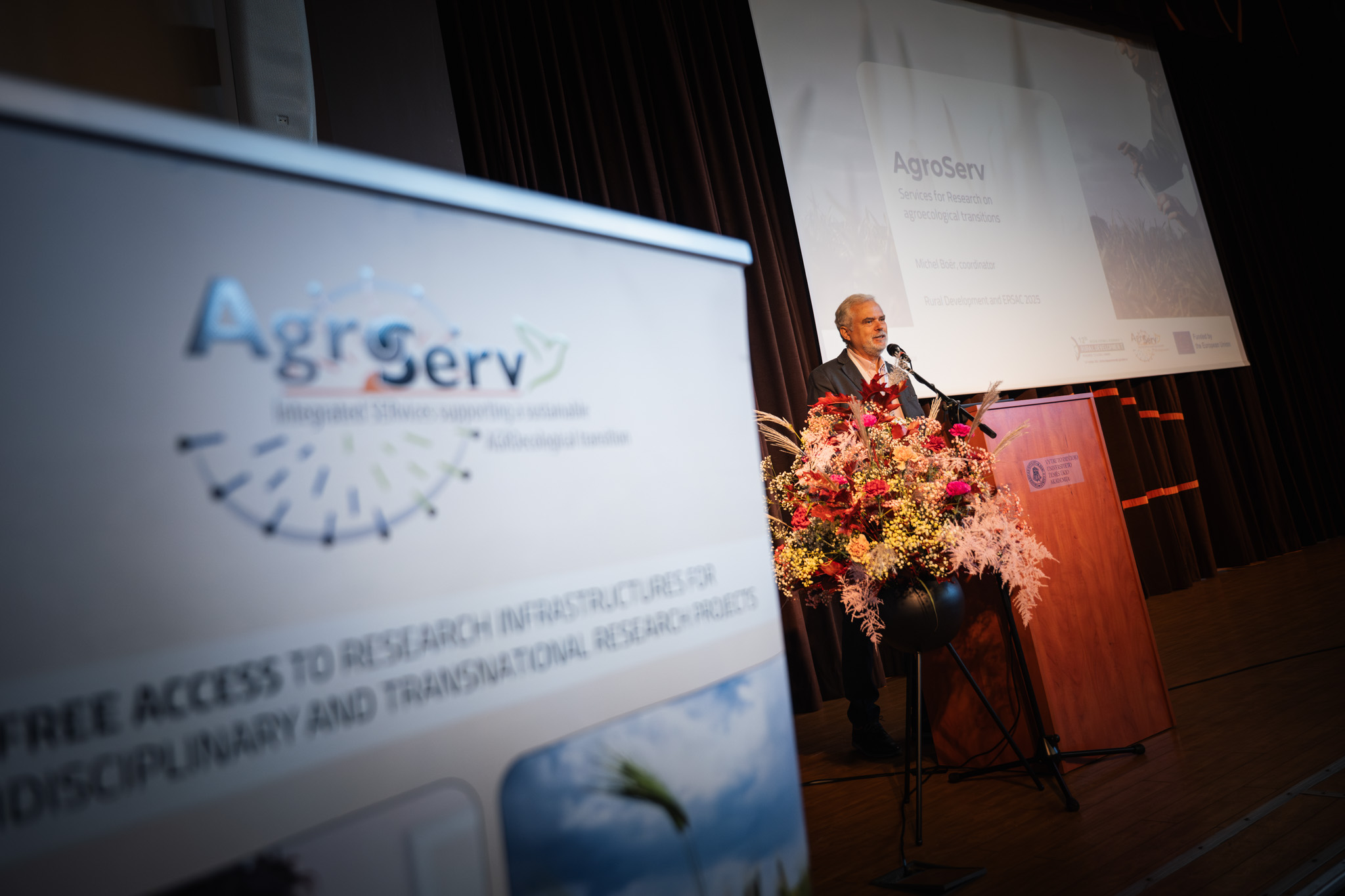
The conference opened with a strong focus on "Resilience to Global Challenges," a theme that resonated throughout the two-day program. A standout moment was the plenary keynote by Michel Böer, AgroServ’s coordinator, who addressed the critical need for sustainable agrifood systems and how transdisciplinary services can support this transition.
Day 2 shifted the spotlight to scientific innovation, featuring sessions curated by AgroServ on Climate-Smart Agriculture and Food Technologies. These sessions showcased how integrated research services—spanning from molecular analysis to field experiments—are essential for tackling the complex realities of climate change and biodiversity loss.
User success stories from the field
A dedicated session on the second day gave the floor to AgroServ users who presented preliminary results from their transnational access projects. Researchers like Maria Isabel Nouges Gonzalez (CNR, Italy) and Frida Dossa (University of Abomey-Calavi, Benin) showcased the diversity of AgroServ’s impact, ranging from optimizing Chinese cabbage growth on biochar-amended soils to developing biocontrol strategies for tomato pests using essential oils. Other highlights included Ilja Svetnik’s (Carinthia University of Applied Sciences) work on digital biodiversity monitoring in sunflowers and Alberto Akiki’s (University of Teramo) research on valorizing emmer wheat for healthy food products. These presentations underscored the project's role in fostering international collaboration and concrete agroecological solutions.
Strengthening the network
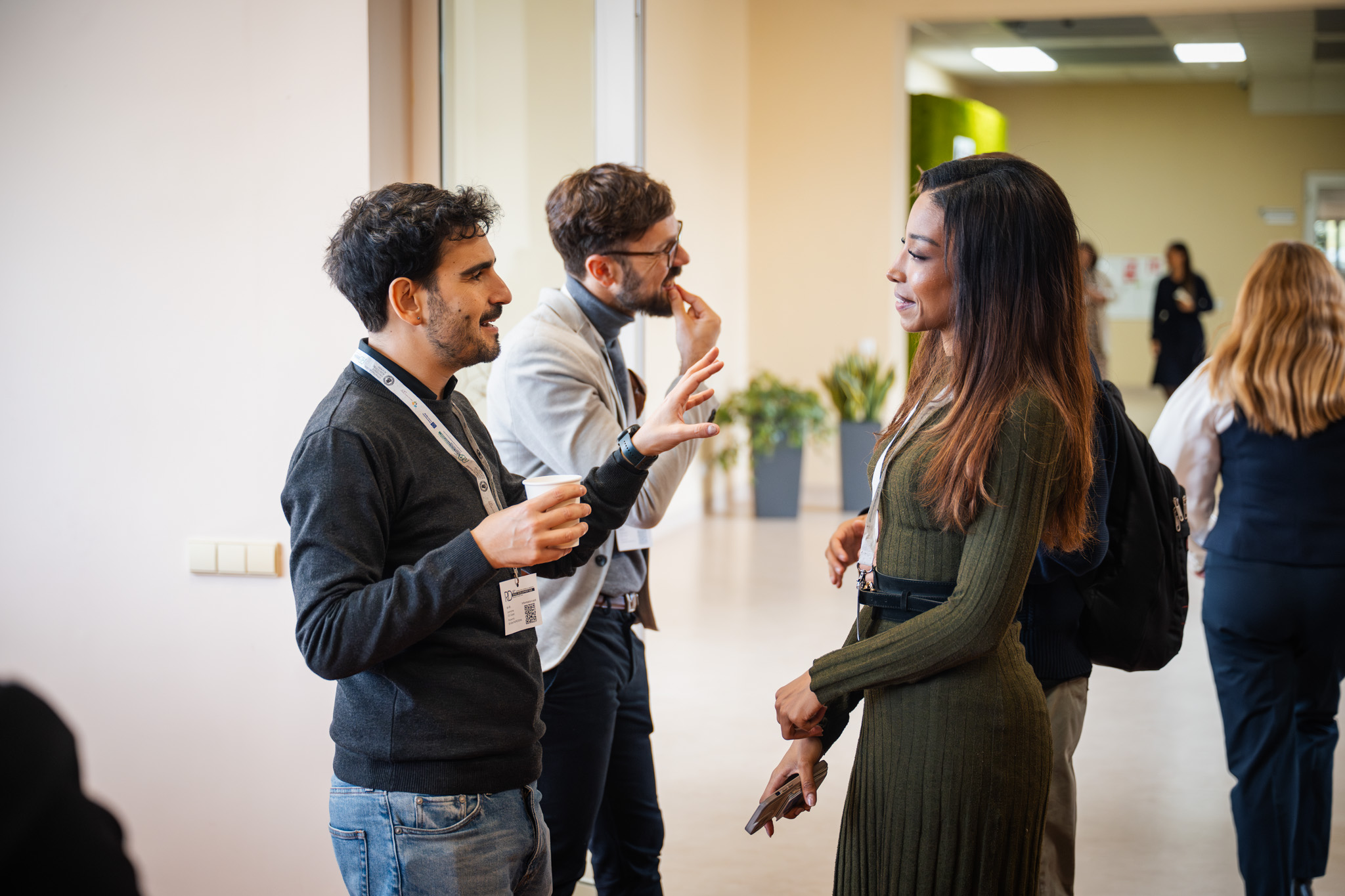
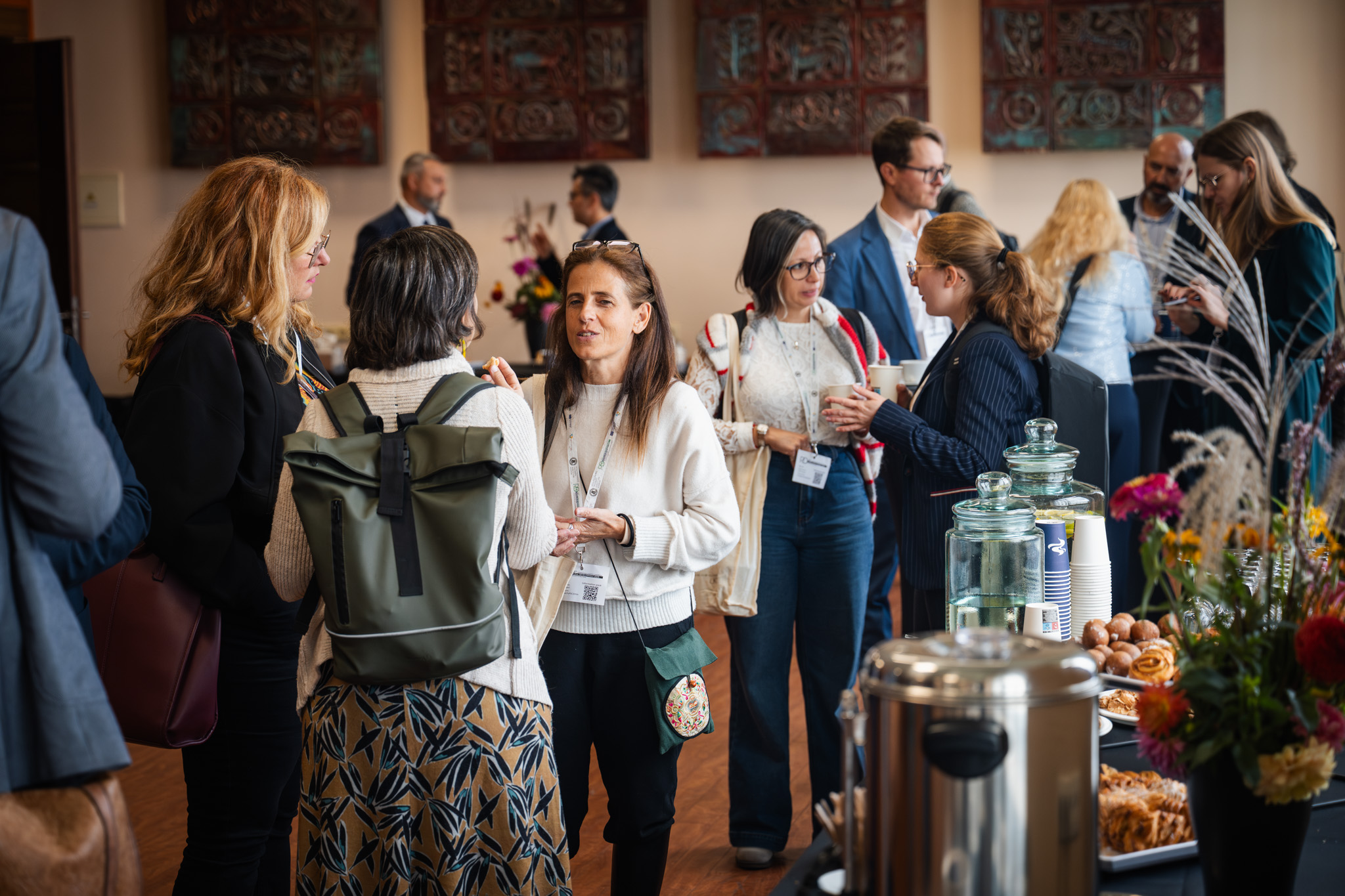
Beyond the scientific presentations, ERSAC 2025 served as a vital networking hub. By sharing the stage with the Rural Development conference, AgroServ extended its reach to a broader audience of stakeholders, fostering new connections between scientists and practitioners.
The event concluded with the AgroServ General Assembly, where consortium partners gathered to align on the project's next steps, including the continued implementation of Living Labs and transnational access calls.
Looking ahead
As we move forward, the insights gained in Kaunas will guide our efforts to provide open access to over 140 research services across Europe. We thank our hosts at VMU and all the participants who made ERSAC 2025 a success.
For more updates on upcoming calls and events, follow AgroServ also on LinkedIn.
0 Comments
Login or Register to post comments.